While there was a 36% expansion of Catalan Vi de Finca wines at the end of 2023, all of 2024 saw a lull. This has now been remedied with the recent addition of five new certifications, bringing the total to 24.

The Vi de Finca qualification is for single vineyards, only within Catalunya, that meet a strict set of rules. For starters, the winery needs to be in operation for at least 10 years before being able to apply for the certification and any wine they want certified needs to be on the market for at least 10 years. They also need to have a “prestigious and quality track record”. It’s to state that you can’t just have a wine certified under these scheme whenever you want and it’s something to work towards. An additional point that I’d not noticed before is that all wines need to be aged in oak barrels with a maximum size of 600l, although no minimum time is stated, interestingly.

This jump from 19 to 24 wines marks an additional 26% growth in the certification, but it’s under the auspices of only two wineries. The first, in DO Pla de Bages (see the recent report) is the “Singular Negre” from the winery, Collbaix. This makes a good deal of sense as their “Singular Blanc” was awarded Vi de Finca in the 2023 batch.

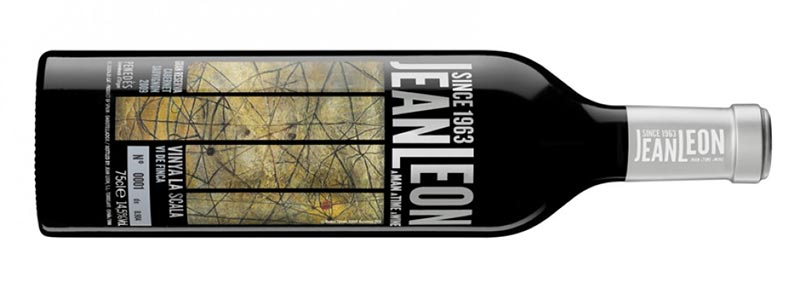
The other winery with the lion’s share of new Vins de Finca is Can Bas in DO Penedès which I’ve reviewed previously including all these wines that they’ve certified: La Capella, La Creu, La Romana, and Monreal.

While this marks yet another large push for this segment of wines, it’s worth mentioning that the Vi de Finca doesn’t require native/traditional grape varieties to be used. In fact, only Can Bas’s La Romana has a minority part of Xarel·lo in it while all the other wines are French varieties, with a large emphasis on Cabernet Sauvignon. As mentioned in the most-recent Penedès Report, a child’s handful of producers are still producing good wines from these varieties, but overall, their days are clearly numbered, even in their points of origin where Bordeaux is allowing a number of new, hot-weather grape varieties to be trialed.

Additionally, I’m privy to the fact that some of the Vi de Finca wines might actually be de-qualified for a time as there were qualified vineyards that required replanting. This wouldn’t be an issue except that there’s a minimum age of five years for any vineyard to be qualified.

Suffice to say, while Vi de Finca was introduced 22 years ago, it seems that only now it’s actually seeing more evolution. We’ll have to see how it will continue, especially with the much more detailed single-vineyard systems of DOQ Priorat from 2017 as well as that of DO Penedès from 2022 which is the region where 10 of the 24 Vins de Finca reside.

Comments

Leave a Reply

This site uses Akismet to reduce spam. Learn how your comment data is processed.